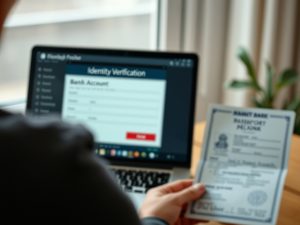
Authorized push payment fraud happens when a scammer tricks someone into sending money from their own account. The payment may be technically authorized, but the instruction was manipulated through deception, impersonation, urgency, or false trust.
TL;DR: APP fraud is not the same as a stolen-card charge. The victim pushes the payment after being misled. Prevention depends on slowing down, verifying independently, using payment warnings, checking recipient details, and reporting quickly.
Plain-English Definition
In authorized push payment fraud, the victim is persuaded to send money. The scammer may pretend to be a bank employee, government official, vendor, romantic partner, investment contact, landlord, family member, or company executive. The victim then approves a transfer, wire, instant payment, gift card purchase, crypto transfer, or other outgoing payment.
The Federal Trade Commission warns that imposters often ask consumers to send money through bank transfers, wire services, gift cards, or cryptocurrency because those payment methods can be hard to reverse. Its advice on imposter scams is a useful starting point for recognizing pressure tactics.
The phrase can sound technical, but the core idea is simple: the account holder pushed the money out under false pretenses. That makes recovery more complicated than many people expect.
How It Differs From Account Takeover
Account takeover means an unauthorized person gains access to the account or credentials and sends money without the account holder approving it. APP fraud is different because the account holder may pass authentication and press send. The fraud is in the deception, not necessarily in the login.
This distinction affects how banks, payment providers, and investigators evaluate the case. It also explains why strong passwords alone are not enough. Multifactor authentication may stop some account takeovers, but it may not stop a victim from approving a payment after a convincing phone call.
Payment choice matters too. Bank transfers, card payments, and digital wallets have different rules and dispute paths. Readers comparing rails can review account-to-account payments vs card payments for a broader risk framework.
Common Scenarios to Recognize
Bank impersonation: a caller claims your account is unsafe and tells you to move money to a safe account. Invoice redirection: a scammer sends new bank details for a real bill. Romance fraud: a relationship is used to request urgent transfers. Investment fraud: high returns are promised if funds are sent quickly.
Family emergency scams use fear. Business email compromise uses workplace authority. Marketplace scams use fake deposits, shipping excuses, or overpayment stories. Rental scams may use pressure to send deposits before viewing a property.
The CFPB’s fraud and scams resources explain common scam patterns and consumer reporting options. The key habit is independent verification: call a known number, use an official website, or speak directly with the person or company through a trusted channel.

APP Fraud Red Flags
| Red flag | What it sounds like | Safer response |
|---|---|---|
| Urgency | Act now or your account will be locked | Pause and call the official number. |
| Secrecy | Do not tell anyone about this transfer | Treat secrecy as a warning sign. |
| Changed details | Use this new bank account today | Verify through a known contact. |
| Recovery fee | Pay us to get your money back | Avoid upfront recovery promises. |
What to Do If You Sent Money
Act quickly. Contact your bank or payment provider immediately, explain that you were tricked, and ask whether the payment can be stopped, recalled, frozen, or investigated. Save screenshots, phone numbers, emails, text messages, receipts, wallet addresses, account names, and timestamps.
File reports with the relevant fraud-reporting channels in your jurisdiction. In the United States, consumers can report to the FTC and may also submit complaints or seek guidance through appropriate consumer-protection channels. If identity information was shared, take steps to secure accounts, change passwords, and monitor credit or bank activity.
Do not send more money to recover the first payment. Recovery scams often target people who have already been harmed. Anyone claiming they can retrieve funds for an upfront fee should be treated with caution.
How Households and Businesses Can Reduce Risk
Use payment limits, account alerts, recipient confirmation tools where available, and callback procedures for new payment details. For businesses, require a second approval for new vendors, changed bank details, urgent wires, and executive payment requests. Train staff to verify outside the email thread.
For households, agree that no urgent caller gets a same-call payment. Hang up and call the official number. For family-emergency requests, use a private family code word or call another relative. For investments, verify registration and do not rely on screenshots or testimonials.
Digital identity tools may reduce some onboarding and authentication risks, but they do not remove social engineering. The future of account opening is discussed in how digital identity could change account opening.
Why Smart People Still Fall for It
APP fraud does not depend on a victim being careless. It often works because the scammer borrows familiar signals: a bank name, a real invoice, a known executive, a family emergency, or a relationship built over time. The request may arrive when the victim is busy, anxious, isolated, or trying to be helpful.
Scammers also use payment psychology. They create urgency, reduce time to think, discourage outside advice, and frame verification as dangerous. A bank impersonator may claim that calling the number on the card will alert criminals. A fake vendor may say a delayed payment will stop service. A romance scammer may frame doubt as betrayal.
Understanding the pressure pattern helps people respond without shame. The safer habit is to treat every unexpected payment request as a process issue, not a character test. Verification protects honest people as much as it stops dishonest ones.
Business Email Compromise Angle
Businesses face a related version through vendor and executive impersonation. A scammer may enter an email thread, copy a vendor’s style, and send new account details. Another may impersonate a senior employee and request an urgent payment. Because the payment is approved by staff, the fraud may resemble APP fraud even in a business setting.
Controls should be boring and firm: verify bank-detail changes by phone using a known number, require dual approval for new payees, block rushed exceptions, and train employees to report suspicious requests without fear. A culture that rewards speed over verification is easier to exploit.
Reporting Should Be Fast and Specific
When reporting APP fraud, details matter. Provide the receiving account, payment reference, time sent, scam message, phone number, email address, and any profile used by the scammer. Clear information may help the institution investigate faster, even when recovery is uncertain.
Slow Money Is Safer Money
APP fraud succeeds by compressing time. The scammer wants the victim to feel that checking is dangerous, rude, or too slow. A practical defense is to create a payment pause rule: any unexpected request for money gets verified through a separate channel before funds move.
This article is for educational purposes only and does not provide legal, financial, cybersecurity, or regulatory advice. Fraud rights and recovery options vary by payment type, provider, jurisdiction, and facts. Contact your financial institution and qualified professionals immediately if money has been sent.