Gaming and sports are converging through shared communities, live events, creator culture, training habits, and competitive formats. The overlap is not that every sport becomes a video game, but that fans and players increasingly move between physical and digital experiences.
TL;DR: The strongest overlap is community: people watch, play, compete, stream, travel, train, and socialize across both spaces.
What Convergence Means Now
Gaming and sports convergence means the habits around both worlds are starting to overlap. Fans watch live broadcasts, follow creators, attend events, buy gear, join communities, track stats, and debate performance. Those behaviors now happen across stadiums, streaming platforms, local clubs, and online lobbies.
This does not mean traditional sport and esports are identical. Physical demands, rules, venues, governing bodies, equipment, and injury profiles can differ greatly. The overlap is cultural and operational as much as competitive.
The International Olympic Committee has its own esports work, which shows that major sport organizations are paying attention to digital competition and fan engagement.
Communities Are the Bridge
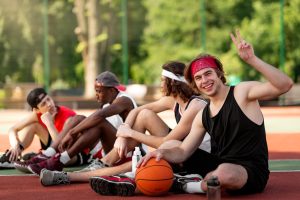
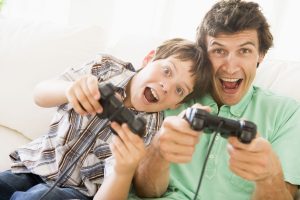
A basketball fan may follow a favorite athlete’s gaming stream. A gamer may attend a live esports event with the same rituals as a sports crowd: jerseys, chants, travel, watch parties, and post-match debate. A local sports club may use online communities for scheduling, highlights, and fundraising.
Creators are part of this bridge. They explain strategy, build personalities, host events, and keep communities active between competitions. This changes how younger fans discover teams, athletes, and games.
The fan-experience side connects directly to cashless policies, mobile tickets, and venue security because many esports and sports events now share similar entry, payment, and live-event logistics.
Training Habits Are Overlapping Too
Traditional athletes increasingly use video, analytics, reaction drills, and cognitive training tools. Gamers borrow concepts from sport psychology, recovery, ergonomics, coaching, and deliberate practice. Both groups care about attention, decision-making, consistency, and pressure.
The overlap should not erase differences. A soccer player’s conditioning plan and a competitive gamer’s wrist, posture, sleep, and screen routine solve different physical problems. But both benefit from structured practice and healthy boundaries.
Gamers dealing with pressure can connect this discussion with preventing tilt during ranked play, where emotional control is treated as a performance skill rather than a personality trait.
Events, Brands, and Career Paths
Converged events may include tournaments, fan festivals, creator matches, sports-team gaming activations, college competitions, or mixed community events. These spaces need production teams, coaches, moderators, analysts, event staff, safety planning, partnerships, and media strategy.
That creates career overlap. A student interested in sport may work in content, data, athlete support, community management, live production, or event operations. A gamer may build skills that transfer into media, coaching, analytics, or technology roles.
For readers exploring those possibilities, sports science and performance careers offers a useful comparison between athlete-support paths and broader operations roles.
The overlap is easiest to see when community events connect with International Olympic Committee esports coverage, Pew Research Center gaming research, and the related guide to cashless policies, mobile tickets, and venue security.
Trade-Offs to Watch
Convergence brings access, creativity, and new communities. It also raises concerns about screen time, gambling-like mechanics, harassment, burnout, privacy, and unequal access to equipment or events. Good organizations address those risks instead of hiding behind hype.
Parents, coaches, and community leaders should focus on habits: sleep, respect, balance, skill development, and healthy competition. Fans should understand when they are watching entertainment, advertising, competition, or commentary.
The future will likely include more hybrid events and shared audiences. The healthiest version will keep the strengths of both worlds while being honest about the differences.
What Traditional Sports Can Learn From Gaming
Gaming communities are often fast at creating highlights, tutorials, live discussion, and small-group identity. Traditional sports organizations can learn from that speed without copying the worst habits of online culture. Good community management can make fans feel involved between live events.
Gaming also shows how accessible analysis can build participation. Short explanations, replay breakdowns, and creator-led teaching can help beginners understand complex games. Sports clubs can use similar formats to explain rules, tactics, and player development.
What Gaming Can Learn From Sports Structures
Traditional sports bring lessons about safeguarding, coaching education, officiating, event safety, long-term athlete development, and physical recovery. Gaming communities benefit when they take those structures seriously instead of relying only on passion.
This is especially true for young competitors and creators. Clear expectations around sleep, conduct, practice load, screen breaks, and adult supervision can make digital competition healthier.
The best future is not a forced merger. It is a thoughtful exchange where each culture borrows useful habits while keeping a clear view of its own risks.
Community Rules Shape the Experience
As sports and gaming communities overlap, rules for conduct become more important. Live chat, arena behavior, team spaces, and online forums all need standards that protect participation and reduce harassment.
Good community rules are visible, enforced consistently, and explained in plain language. They make events feel safer for newcomers, families, creators, and competitors.
A Grounded View of the Future
Gaming and sports will keep borrowing from each other, but the best projects will be clear about what they are. Some events are competition, some are entertainment, some are community gatherings, and some are brand activations. Fans deserve that clarity.
For players and creators, the opportunity is real: new skills, new audiences, and new career paths. The responsibility is real too: healthier routines, fair rules, safer communities, and honest communication. Convergence works best when excitement is paired with care.
How Fans Can Read Hybrid Events
Fans should ask what the event is designed to deliver. Is it a serious tournament, a creator showcase, a sponsor activation, a community meetup, or a learning event? Each format can be worthwhile, but expectations should match the purpose.
Hybrid events are strongest when they do not pretend to be something else. Clear rules, transparent brackets, accessible schedules, and respectful communities help both sports fans and gaming fans understand why the event matters.
Skills That Transfer Between Both Worlds
Useful crossover skills include storytelling, live production, data interpretation, coaching communication, event planning, moderation, and community building. These skills help people move between sports organizations, gaming teams, creators, and fan events.
The human side transfers too. People want fair rules, clear schedules, a sense of belonging, and a reason to care about the next match or event. Technology changes the format, but community keeps people engaged.
Why This Convergence Matters
The overlap matters because it changes how people enter sport and gaming communities. A fan might start as a viewer, become a player, attend an event, create content, and later work in the field. That pathway makes clear explanations, welcoming events, and healthier community standards more important than ever for families, competitors, organizers, and new fans entering these spaces for the first time.