Can Orthodontics Help With TMJ Symptoms or Bite Strain?
Orthodontics may help some bite-related strain, but it is not a guaranteed treatment for TMJ symptoms. Jaw pain can come from muscles, joints, clenching, arthritis, injury, tooth problems, sleep issues, or several factors at once, so the first step is a careful diagnosis.
Jaw-pain decision takeaway: Do not start braces, aligners, crowns, or bite reshaping only because your jaw clicks. Ask what evidence connects your symptoms to your bite and what conservative steps should come first.
TMJ symptoms are not all the same problem
TMJ refers to the temporomandibular joint itself. TMD means temporomandibular disorders, a group of conditions affecting the jaw joint and chewing muscles. The National Institute of Dental and Craniofacial Research describes TMDs as a group of more than 30 conditions, which is why one-size-fits-all treatment can miss the mark.
Symptoms can include jaw pain, limited opening, popping or clicking, headaches near the temples, ear-area discomfort, tired chewing muscles, facial soreness, and tooth wear from clenching. A click without pain or locking may not need treatment. Pain, loss of function, or a changing bite deserves more attention.
The ADA’s MouthHealthy TMJ resource notes that dentists may evaluate tenderness, clicking, popping, movement limits, and possible causes before recommending treatment or referral. That exam matters because tooth pain, sinus issues, ear problems, and headaches can overlap with jaw symptoms.
Where orthodontics may fit
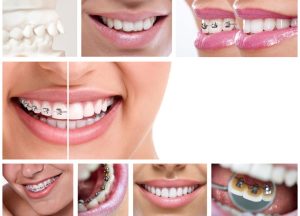
Orthodontics can improve crowding, spacing, bite relationships, and tooth positioning. In selected cases, that may reduce a specific kind of bite strain. For example, a traumatic bite on one tooth, severe crowding that makes cleaning difficult, or a bite that causes uneven wear may be part of a larger treatment plan.
But TMD symptoms are often muscle-driven or multi-factorial. NIDCR cautions that treatments that permanently change the bite, including some occlusal procedures and orthodontic changes, should not be treated as automatic solutions for TMD pain. Conservative care is often considered first.
Think of orthodontics as one possible tool, not the default answer. A dentist or orthodontist should be able to explain what problem the tooth movement is expected to solve and how progress will be measured.
Short-term relief versus longer-term correction
Short-term relief often focuses on calming irritated muscles and joints. Depending on the exam, a clinician may suggest soft foods for a flare, heat or cold, avoiding gum and nail biting, jaw relaxation, physical therapy, anti-inflammatory medicine if safe for you, or an appliance that does not permanently change the bite.
Longer-term correction may involve treating bruxism, replacing a missing tooth, reshaping a rough restoration, managing sleep apnea, adjusting habits, or orthodontics. If orthodontics is recommended, ask whether it is being proposed for tooth alignment, bite stability, gum health, restorative planning, or a clearly defined jaw-function goal.
Because clenching and dry mouth habits can affect tooth wear and gum health, people who use nicotine products should be open about it during the evaluation. The guide on vaping, smoking, and home oral care can help you prepare for that conversation.
Questions that keep the plan grounded
Ask these before committing to orthodontic treatment for TMJ-related concerns:
- What diagnosis best explains my symptoms?
- Are my symptoms from the joint, the muscles, the teeth, or a mix?
- Do I have warning signs that need imaging or referral?
- What conservative steps should I try first?
- What would orthodontics change in my bite?
- How will we know if jaw symptoms are improving?
- Could treatment temporarily increase soreness?
- What happens if tooth alignment improves but pain does not?
If imaging is suggested, ask why. Regular dental x-rays may show teeth and bone in two dimensions, while CBCT may show certain three-dimensional details. The article on what CBCT shows compared with regular dental x-rays explains when a 3D scan may add useful information and when it may be unnecessary.
Photo direction for jaw movement evaluation
For Orthodontics Help TMJ Symptoms Bite Strain, this part of Photo direction for jaw movement evaluation focuses on the clinical findings and the outcome the patient values most when a second opinion is considered, with the same details verified while the expected outcome is clarified. The clinician should also explain alternatives, limitations, timing, cost, and long-term upkeep for Orthodontics Help TMJ Symptoms Bite Strain when the follow-up plan is written, using the examination and health history rather than a general assumption.
Key Takeaways for Orthodontics Help TMJ Symptoms Bite Strain
For Orthodontics Help TMJ Symptoms Bite Strain, this part of Key Takeaways for Orthodontics Help TMJ Symptoms Bite Strain focuses on the diagnosis, patient goal, treatment limits, and maintenance burden before temporary care is replaced, with the same details verified while the expected outcome is clarified.
Clinical Checks for Orthodontics Help TMJ Symptoms Bite Strain
For Orthodontics Help TMJ Symptoms Bite Strain, this part of Clinical Checks for Orthodontics Help TMJ Symptoms Bite Strain focuses on confirmed findings, measurements, imaging, and health-history factors while recovery expectations are clarified, with the same details verified while the expected outcome is clarified. The clinician should also explain what remains uncertain and whether another test or specialist opinion would alter the plan for Orthodontics Help TMJ Symptoms Bite Strain after the examination is explained, using the examination and health history rather than a general assumption.
Warning signs that need prompt evaluation
Book a dental or medical evaluation promptly if jaw symptoms are paired with:
- Severe tooth pain or swelling.
- A bite that suddenly feels different.
- A jaw that locks open or closed.
- Trauma to the face or jaw.
- Fever, spreading swelling, or trouble swallowing.
- Numbness, unexplained weight loss, or a sore that does not heal.
- Chest pain, shortness of breath, or pain radiating to the arm or neck, which needs emergency medical care.
Routine clicking, mild soreness after chewing tough foods, or occasional tension may be appropriate for a scheduled dental visit. Sudden locking, swelling, fever, or severe pain should not be treated as a routine orthodontic question.
A comparison of treatment paths
| Path | What it may address | What to clarify |
|---|---|---|
| Home and conservative care | Muscle tension, minor flare-ups, habits that overload the jaw | How long to try it and what symptoms mean to stop |
| Occlusal appliance | Tooth protection from grinding or clenching | Whether it changes the bite or only separates teeth |
| Physical therapy or medical referral | Muscle, joint, posture, or chronic pain factors | Which clinician coordinates care |
| Orthodontics | Crowding, bite relationship, space closure, restorative planning | How tooth movement relates to the jaw symptoms |
| Restorative dental care | Broken, worn, missing, or uneven teeth | Whether the dental problem is the pain source |
Cost and commitment deserve a clear answer
Orthodontic treatment can involve months of appointments, retainers, and follow-up. If it is part of a jaw-pain plan, the financial side should be as specific as the clinical side. Review the expected fee, what is included, what happens if treatment pauses, and how retainers or refinements are billed. The checklist for payment plan questions before expensive treatment can help you compare options without pressure.
Use Orthodontics as Part of a Broader Jaw-Pain Evaluation
Orthodontics can be valuable when tooth position or bite mechanics are clearly part of the problem. It should not be sold as a universal TMJ cure. A practical next step is to ask for a diagnosis-focused exam, try appropriate conservative steps first, and request a written explanation of how orthodontics would change the factors linked to your symptoms.