Impacted Canine Exposure Surgery: What Orthodontic Patients Should Expect
Impacted canine exposure surgery is a procedure that helps an unerupted canine tooth become accessible so orthodontic treatment can guide it into position. It is usually a coordinated plan between an orthodontist and an oral surgeon, not a stand-alone surgery.
Impacted canine takeaway: The surgery exposes the tooth; the orthodontic phase moves it. Ask who is responsible for each step, what type of exposure is planned, and what would change the treatment timeline.
What “impacted canine” means
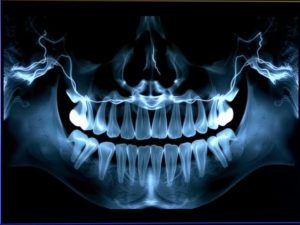
A canine tooth is impacted when it is blocked from coming into the mouth normally. Some impacted teeth stay under the gum or bone because of crowding, tooth position, lack of space, or the path they took during development. Upper canines are often the teeth families hear about because they play an important role in the smile line and bite guidance.
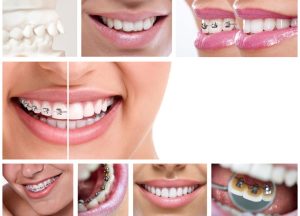
The American Association of Oral and Maxillofacial Surgeons describes expose-and-bond as a procedure used with orthodontic treatment to bring certain impacted teeth into proper position. During the procedure, the unerupted tooth is exposed, and a bracket may be attached and connected to orthodontic hardware with a small chain.
Not every impacted canine is treated the same way. Some are monitored, some are exposed and guided, some need space created first, and some may be removed if the position or risk to nearby teeth makes movement unrealistic. Your plan should explain why exposure is recommended for your specific tooth.
How the orthodontist and surgeon work together
The orthodontist usually identifies the impacted tooth, creates space, and plans how the tooth will move. The oral surgeon exposes the tooth and may bond an attachment. After healing, the orthodontist activates the chain or attachment gradually.
This teamwork is why missed appointments can matter. Surgery without orthodontic follow-up may not accomplish the goal. Orthodontic force without proper exposure may not be possible. Ask both offices how they communicate and who to call with questions after surgery.
Open exposure, closed exposure, and bonding
Your surgeon may describe an open or closed exposure. In a closed exposure, gum tissue is repositioned after the bracket and chain are placed, leaving the chain accessible. In an open exposure, the tooth is left more visibly uncovered. The choice depends on the tooth’s position, gum tissue, orthodontic plan, and surgeon preference.
The word “bond” means an attachment is placed on the exposed tooth. It does not mean the canine moves immediately. Movement usually happens later through orthodontic adjustments. If the attachment loosens or the chain breaks, call the office rather than trying to adjust it at home.
What the appointment may involve
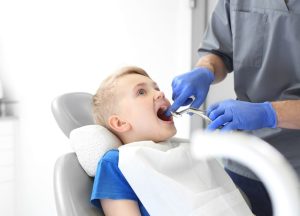
The details depend on age, tooth position, medical history, and the office setting. Many patients have local anesthesia, and some may have sedation based on anxiety, complexity, or medical needs. You should receive instructions on eating, medications, escort requirements if sedation is used, and activity limits.
- What type of anesthesia or sedation is planned?
- Should any medications be paused or adjusted?
- What can I eat or drink before the appointment?
- Who needs to bring me home?
- What symptoms are expected afterward?
- Which symptoms mean I should call urgently?
- When is the first orthodontic follow-up?
- What happens if the bracket or chain comes loose?
Families preparing a nervous child or teen may also benefit from the guide on calming a child before a longer dental procedure, because the same preparation principles can make surgical visits less overwhelming.
Benefits, limitations, and risks to understand
The main goal is to give the impacted canine a path into the arch when it is reasonable to try. Benefits may include preserving the natural tooth, improving bite function, and avoiding a space or replacement tooth later. But results depend on tooth position, root development, space, gum support, patient cooperation, and how the tooth responds to orthodontic force.
Possible limitations and risks can include discomfort, swelling, bleeding, infection, attachment failure, gum changes, slow movement, damage risk to nearby roots, or a decision later that the tooth cannot be moved as planned. Those possibilities do not mean the surgery is unsafe; they mean the consent conversation should be specific.
Routine recovery versus reasons to call
Follow the instructions from your surgical team. Mild swelling, soreness, and limited chewing may be expected after oral surgery. Use only medications your clinician says are safe for you, and do not disturb the surgical site.
Call the office if you have bleeding that does not slow as instructed, worsening swelling, fever, severe pain, a bad taste with drainage, a loose or detached bracket, a chain that feels sharp, or uncertainty about brushing near the site. Seek urgent medical care for trouble breathing, trouble swallowing, rapidly spreading swelling, or signs of a serious allergic reaction.
How this changes the orthodontic plan
Exposure surgery can add steps to orthodontic care. The orthodontist may need to create or maintain space, apply light force, monitor the canine’s path, and protect nearby roots. Progress may be gradual. A tooth that looks barely changed in the mirror may still be moving on the planned path.
If the impacted canine is not successful or cannot be moved safely, replacement planning may come up later. That is a separate decision from the surgery itself. The article on implant bridges versus individual implants for multiple missing teeth explains how replacement options are compared when natural teeth cannot be kept, although teens and growing patients often need special timing discussions.
Cost and scheduling questions
Exposure surgery may involve fees from more than one office. Ask for separate written estimates from the orthodontist and surgeon, including consultation, imaging, sedation if used, the surgical procedure, orthodontic activation, emergency visits, and replacement if an attachment debonds. If you need to spread payments, the guide to payment plan questions before starting expensive treatment can help you ask about down payments, interest, cancellation terms, and what is included.
Preparing for a Coordinated Exposure-and-Orthodontic Plan
Impacted canine exposure works best when the surgical and orthodontic steps are coordinated. Your next step is to ask for a written sequence: space creation, surgery, first post-op check, orthodontic activation, and the signs that should trigger a call between visits.