Replacing Several Missing Teeth: Implant Bridge vs Individual Implants
When several teeth are missing in the same area, an implant bridge uses fewer implants to support multiple connected replacement teeth, while individual implants replace teeth one by one with separate implant-supported crowns. The better option depends on bone, gum health, bite forces, smile goals, hygiene access, cost, and surgical planning.
Multi-tooth replacement takeaway: Ask what must be replaced, what can support it, and how easy the final design will be to clean. The most advanced-looking option is not always the best fit for every mouth.
How the two options work
A dental implant is a medical device placed in the jaw to support a replacement tooth or teeth. The FDA’s dental implant overview explains that implant systems can support crowns, bridges, or dentures, and that overall health, oral hygiene, smoking, healing, and regular dental visits affect planning and long-term care.
With individual implants, each missing tooth position may receive its own implant body and crown, when anatomy allows. With an implant bridge, two or more implants can support a connected set of teeth. A person missing three teeth, for example, may not necessarily need three implant bodies if a bridge can be engineered safely.
The American Academy of Periodontology notes that implants may be an option for people missing teeth due to periodontal disease, injury, or other reasons. Candidacy depends on general health, oral health, bone, and gum tissues.
Comparing Options for Replacing Several Missing Teeth
| Decision point | Implant bridge | Individual implants |
|---|---|---|
| Number of implant bodies | Usually fewer than the number of missing teeth | Often one implant per replaced tooth, if feasible |
| Cleaning | Requires cleaning under and around connected teeth | Often feels more like cleaning separate teeth, but still needs implant care |
| Bone requirements | Needs adequate support at strategic implant sites | Needs adequate bone at each planned implant site |
| Esthetics | Can work well, especially when designed carefully | Can offer separate tooth shapes, but spacing and papilla support matter |
| Repair considerations | A problem with one connected unit may affect the bridge | A problem may be more localized, depending on design |
| Cost pattern | May reduce surgical components but still involves lab and prosthetic costs | May cost more because more components and surgery can be involved |
| Bite forces | Must distribute force across the bridge | Each implant restoration is planned for its own force pattern |
Planning Notes for Replacing Several Missing Teeth
An implant bridge may be considered when several teeth are missing in a row, bone is stronger in some positions than others, or using fewer implants can support a stable prosthetic design. It may also be useful when anatomy makes one tooth position difficult because of a nerve, sinus, or bone defect.
The bridge must be designed so you can clean it. Connected teeth can trap plaque if contours are bulky or access is poor. Ask your dentist or specialist to show you how floss threaders, interdental brushes, or water flossers would reach under the bridge.
An implant bridge is not a shortcut around diagnosis. If teeth were lost because of gum disease, the gum disease must be controlled before and after implant treatment. If teeth were lost from trauma or decay, the bite and home care habits still matter.
Planning Notes for Replacing Several Missing Teeth During Planning
Individual implants may be considered when each missing tooth site has enough bone and gum support, the spacing is favorable, and the patient wants separate restorations that are easier to floss between. They may also be useful when replacing front teeth where emergence profile and individual tooth shape are priorities.
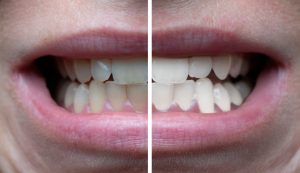
However, more implants do not automatically mean better. Implants placed too close together can create hygiene, bone, or esthetic challenges. The treatment team should explain spacing, gum contours, and why each proposed implant is needed.
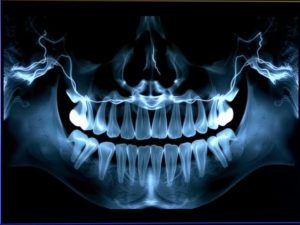
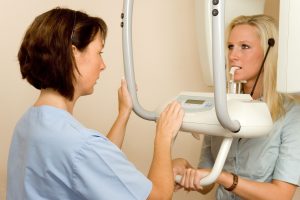
CBCT imaging may be part of planning because implant placement depends on three-dimensional bone and nearby anatomy. The article on what a CBCT scan shows that regular dental x-rays cannot explains why 3D imaging may be used for implant planning and what questions to ask about radiation and necessity.
Questions that reveal the real tradeoffs
- How many teeth are missing, and which spaces need replacement?
- How many implant bodies are proposed, and why?
- Is bone grafting, sinus lifting, or gum grafting being discussed?
- How will I clean around the final teeth every day?
- What happens if one implant or one porcelain tooth has a problem?
- What temporary tooth option will I have during healing?
- Who restores the implants, and who performs the surgery?
- What maintenance schedule should I expect?
- How will smoking, diabetes, grinding, or gum disease change risk?
If the missing teeth are connected to a previous orthodontic or surgical issue, such as an impacted tooth that could not be brought in, review what impacted canine exposure surgery involves to understand how earlier decisions can shape replacement planning.
Cost, longevity, and maintenance without promises
Implant treatment can involve consultation, imaging, extraction, grafting, implant surgery, temporary teeth, abutments, final restorations, night guards, and maintenance. Some patients focus only on the implant surgery fee and are surprised by restoration or follow-up costs.
No article can promise how long implants or implant bridges will last. Outcomes depend on planning, surgical and restorative execution, medical factors, oral hygiene, smoking, bite forces, and follow-up care. The FDA advises patients to discuss risks and benefits, follow oral hygiene instructions, schedule regular visits, and tell the provider right away if an implant feels loose or painful.
Ask for the full written estimate before treatment begins. If financing is part of the decision, the guide to payment plan questions before starting expensive treatment can help you compare monthly payments, interest, what is included, and what happens if extra procedures are needed.
Routine follow-up versus urgent implant concerns
Routine follow-up is appropriate for maintenance cleanings, bite checks, hygiene coaching, and monitoring. Seek prompt care if an implant restoration feels loose, the gums swell, chewing becomes painful, pus appears, or the bite suddenly feels off. Implant problems are often easier to manage when they are evaluated early.
Bring the Right Questions to a Multi-Tooth Implant Consultation
The best replacement plan is the one that fits your anatomy, health, budget, hygiene ability, and long-term maintenance. Ask the dentist to show the proposed design, explain why each implant is needed, and demonstrate how you will clean the final teeth before you agree to treatment.
Timing and Recovery for Replacing Several Missing Teeth
For Replacing Several Missing Teeth, this part of Timing and Recovery for Replacing Several Missing Teeth focuses on the order of diagnosis, preparation, treatment, healing, adjustment, and review while risks and alternatives are compared, with the same details verified while the expected outcome is clarified. The clinician should also explain how work, travel, eating, driving, exercise, or caregiving may be affected for Replacing Several Missing Teeth when the diagnosis is confirmed, using the examination and health history rather than a general assumption. Recording that explanation gives the patient a clearer next step for Replacing Several Missing Teeth while risks and alternatives are compared, especially when follow-up duties are reviewed while the expected outcome is clarified.
Planning Notes for Replacing Several Missing Teeth Before Treatment
When reporting Replacing Several Missing Teeth: Implant Bridge vs Individual Implants, describe the start time, pattern, triggers, and whether temporary relief stops working during the initial review. The urgency of Replacing Several Missing Teeth: Implant Bridge vs Individual Implants depends on how quickly symptoms are changing and whether swelling, fever, trauma, bleeding, or loss of function is present.