After a minor water leak or small contained fire, the first priorities are personal safety, stopping the source only if it is safe to do so, and preventing hidden moisture or smoke damage from spreading. A problem that looks small can still involve electricity, contaminated water, concealed damp materials, or fire-weakened surfaces, so the right response depends on what actually happened.
TL;DR: Make the area safe, shut off the water or power only when you can do so without risk, document visible damage, remove standing water or loose debris when appropriate, and dry or ventilate affected materials promptly. After a fire, do not re-enter an unsafe structure or disturb questionable electrical, structural, or combustion damage. Escalate to qualified help when the source, contamination level, wiring, structure, or extent of damage is uncertain.
What counts as a minor incident?
A minor leak might be a small supply-line drip, an overflowing fixture caught quickly, or limited clean-water seepage that has not spread through walls, ceilings, insulation, or electrical components. A small fire might be a contained cooking flare-up or a limited object fire that was extinguished quickly without obvious structural involvement.
First actions after a small water leak
1. Stop the source if it is safe. Close the fixture valve or household water supply when you know how to do so safely. Do not enter standing water that may be in contact with electrical equipment.
2. Protect people and belongings. Keep children and pets away. Move dry, portable items out of the affected area if doing so does not create a lifting or electrical hazard.
3. Document what happened. Take clear photos of the source and affected materials before major cleanup when insurance or landlord documentation may be relevant.
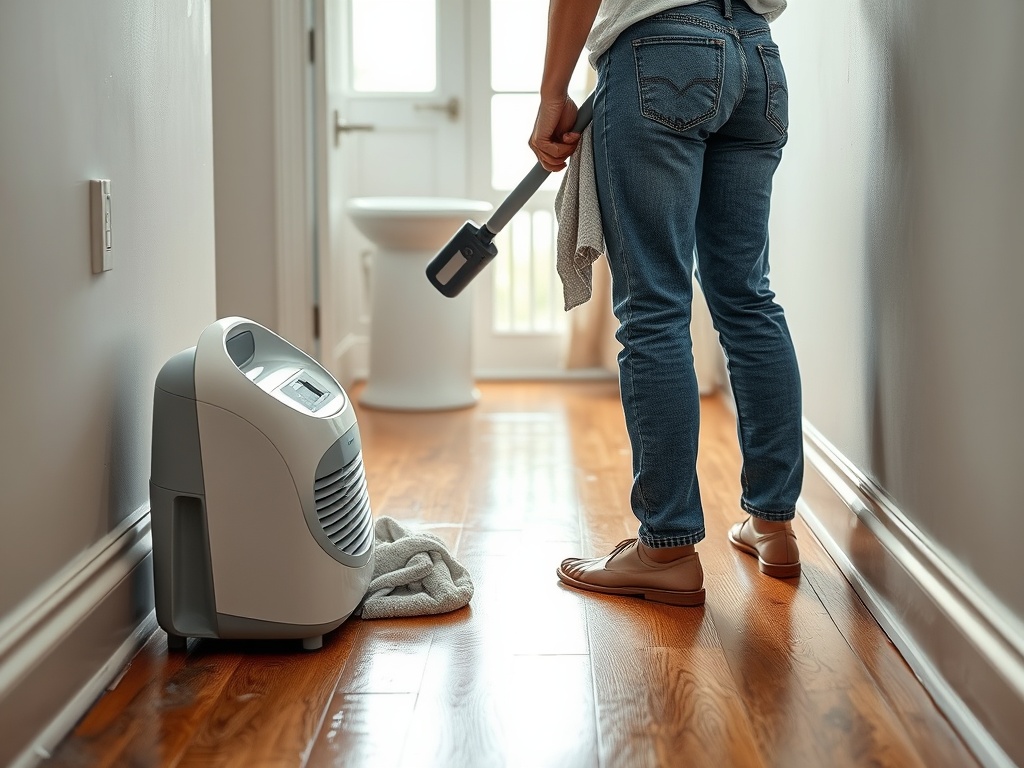
4. Remove standing clean water. Towels, mops, or a wet-capable vacuum may help with a small clean-water event. Never use an ordinary household vacuum on water.
5. Start drying. Increase safe ventilation and use appropriate dehumidification or air movement. The goal is to dry building materials, not simply make the surface look dry.
The U.S. Environmental Protection Agency’s mold and moisture guidance emphasizes moisture control as the key to controlling mold. EPA generally advises drying wet or damp materials and areas within roughly 24 to 48 hours when possible. That is a useful response target, not a guarantee that every wet material can be saved.
Know when water should not be treated as simple cleanup
Water from a clean supply line is different from water that has contacted sewage, outdoor flooding, chemicals, or heavily soiled surfaces. Contaminated water can create biological or chemical hazards and may require protective equipment and professional remediation.
Likewise, porous materials behave differently from hard, nonporous ones. Drywall, insulation, carpet padding, particleboard, and some flooring systems can hold moisture where a towel cannot reach it. EPA guidance for flooded homes explains why wet building materials and contaminated floodwater need careful handling.
If a leak has damaged painted drywall or trim, do not rush directly to repainting. The material must be dry and stable first. Once the moisture problem is resolved, our guide to choosing paint primers for walls, cabinets, and trim explains how primer choice depends on stains, substrate, and adhesion needs.
First actions after a small contained fire
After flames are out, confirm that the area is genuinely safe. If firefighters attended, follow their instructions about re-entry. The American Red Cross home-fire recovery guidance advises people to avoid entering a fire-damaged home until authorities say it is safe.
For a truly limited incident in an otherwise safe room:
- Ventilate only when doing so is appropriate and will not spread smoke or expose you to unsafe conditions.
- Keep hands off damaged electrical outlets, cords, appliances, breakers, or fixtures until they are evaluated if heat, water, or extinguishing agents reached them.
- Photograph soot, scorch marks, damaged belongings, and the likely origin before cleaning.
- Dispose of clearly ruined food or consumables that were exposed to heat, smoke, or firefighting chemicals according to relevant safety guidance.
- Avoid aggressively scrubbing soot into porous painted surfaces, fabrics, or unfinished materials. Cleaning methods vary by material.
The U.S. Fire Administration also provides after-a-fire guidance covering safety, insurance, and recovery steps.
Smoke and soot can travel farther than the flame
A small fire can leave odor or residue on walls, ceilings, fabrics, cabinets, and HVAC-adjacent surfaces. What looks like a cosmetic mark may be difficult to clean if the residue is oily or chemically complex.
Do not assume that painting directly over smoke damage is the first step. Cleaning, drying, odor assessment, and appropriate surface preparation generally come first. If the affected surface later needs refinishing, stain-blocking primer may be part of the repair system, but the correct product depends on the substrate and residue.
Electricity changes the risk level quickly
Water and damaged electrical components should be treated cautiously. Do not stand in water to unplug appliances or operate switches. After a fire, do not reuse outlets, extension cords, chargers, appliances, or wiring that show heat, charring, melting, or water exposure until they have been evaluated appropriately.
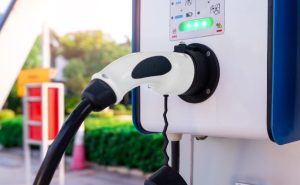
This same principle applies to garage equipment. If a leak or fire affects an EV charging circuit or device, stop using it and seek qualified electrical guidance. Our introduction to home EV charger basics explains why charging equipment, circuit capacity, and installation conditions must be considered together.
Common misconceptions after a small incident
“If the surface feels dry, the wall is dry.” Not necessarily. Moisture can remain behind paint, trim, flooring, or drywall. A moisture assessment may be needed when water traveled into concealed assemblies.
“A little soot is only cosmetic.” Soot can contain combustion byproducts and can smear or embed into materials. The cleanup method should suit the material and exposure.
“Bleach is the universal answer for mold.” EPA does not recommend routinely using biocides such as chlorine bleach as a standard practice during mold cleanup. Moisture removal and physical cleanup are central; contaminated or extensive situations can require professional help.
“If I put a fan on it, the problem is solved.” Air movement can assist drying in appropriate situations, but it can also spread contaminants. Fans should not be used to blow across suspected mold growth or hazardous residues.
When professional help is the safer next step
Escalate when the event involves sewage or floodwater, widespread saturation, recurring leaks, hidden moisture, significant mold growth, structural movement, ceiling damage, electrical systems, gas appliances, HVAC contamination, substantial soot, unknown fire spread, or health symptoms after exposure.
Insurance or property-management requirements may also affect next steps. Renters should notify the property owner or manager promptly according to the lease and local rules. Homeowners may want to contact their insurer before discarding damaged materials if a claim is possible.
Stabilize first, repair second
The most useful distinction after a minor leak or fire is between stopping damage and restoring finishes. Drying, safety checks, documentation, and source control come first. Painting, replacing trim, refinishing flooring, or redecorating should wait until the affected area is safe, dry, and stable.
This home-safety information is for general educational purposes and is not a substitute for professional water-remediation, fire-restoration, electrical, structural, insurance, or legal advice. Conditions vary by incident and jurisdiction. If there is any doubt about safety, leave the area and contact the appropriate emergency service or qualified professional.
Make a short incident checklist for your household before you need it: know where the water shutoff is, keep emergency contacts accessible, and document the location of key utilities without taking risks during an active emergency.