Can You Get a Cleaning While Pregnant or Breastfeeding?
Yes, most people can get a routine dental cleaning while pregnant or breastfeeding. In fact, routine and urgent dental care can help prevent small gum or tooth problems from becoming harder to manage during pregnancy or the early months with a baby.
Pregnancy cleaning takeaway: A cleaning is preventive care, not an elective cosmetic procedure. Tell the dental team that you are pregnant or nursing, share your medication list, and ask how they will keep you comfortable in the chair.
Why cleanings usually stay on the calendar
Pregnancy can change how gums respond to plaque. Some people notice puffier gums, easier bleeding, new sensitivity, or nausea that makes brushing harder. A dental cleaning removes hardened tartar that brushing and flossing cannot remove at home, and it gives the dentist a chance to spot cavities, gum inflammation, cracked teeth, or infection early.
The American Dental Association states that preventive, diagnostic, and restorative dental treatment is safe throughout pregnancy, and the American College of Obstetricians and Gynecologists reassures patients that prevention, diagnosis, and treatment of oral conditions can be managed during pregnancy. Public-health guidance also supports routine and emergency dental care during pregnancy.
A cleaning while breastfeeding is usually straightforward too. Breastfeeding itself is not a reason to skip plaque removal, polishing, periodontal charting, or a routine exam. If a procedure beyond cleaning is recommended, ask what medicine is being used. For example, LactMed notes that lidocaine levels in milk are low and no special precautions are expected for typical use, but your dentist and medical clinician should still know your full situation.
Common questions before you book
Can the hygienist clean bleeding gums?
Often, yes. Bleeding during brushing or a cleaning may mean the gums are inflamed, not that the cleaning is harmful. The hygienist may clean more gently, take short breaks, or recommend follow-up care if gum pockets, tartar buildup, or pregnancy-related gingivitis are present.
Is the second trimester the only safe time?
No. Many patients feel physically more comfortable in the second trimester because nausea may be lower and lying back may be easier. But safety guidance does not limit urgent or necessary dental care to that window. If you have pain, swelling, a broken tooth, or signs of infection, do not wait for an ideal week on the calendar.
What if I feel dizzy lying back?
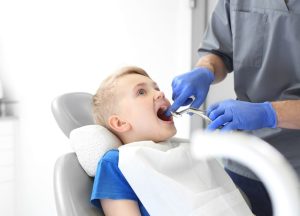
Tell the team before they start. They can adjust the chair, place a small pillow under one hip, pause more often, and let you sit upright between steps. You do not need to push through nausea, reflux, or lightheadedness just to finish quickly.
Routine care versus urgent care
A routine cleaning is reasonable when you have mild gum bleeding, overdue tartar removal, staining, or no symptoms but want preventive care. It also makes sense if pregnancy or nursing has disrupted your normal home routine and you want a reset.

Call a dentist promptly, and mention pregnancy or breastfeeding, if you have:
- Tooth pain that lingers, wakes you up, or worsens when biting.
- Facial, gum, or jaw swelling.
- A bad taste, drainage, fever, or a pimple-like bump on the gums.
- A broken tooth, loose filling, or sharp edge cutting your tongue.
- Gum bleeding that is heavy, spontaneous, or paired with swelling.
A dental infection is not something to watch for weeks. Delaying care may make treatment more complicated, and it may leave you relying on temporary pain control instead of addressing the cause.
What to tell the dental team
Share practical details before the visit begins. Tell them how far along you are, whether you are breastfeeding, what prenatal vitamins or medications you take, and whether your pregnancy is high risk. If your obstetric clinician has given special instructions, bring them or ask the dental office to coordinate.
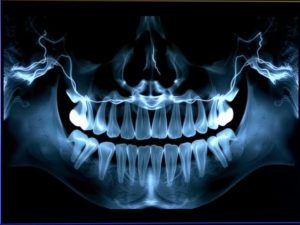
This is also a good time to ask about x-rays. Dental x-rays are not automatically needed for every cleaning. When they are needed to diagnose a problem, the dental team should explain why the image matters and how exposure is limited.
If you use nicotine, tobacco, or vape products, say so without embarrassment. Nicotine exposure can affect gum health and healing, and your home care routine may need different support. A deeper look at how smoking or vaping changes daily oral care can help you prepare better questions.
What may feel different during the appointment
Your gums may feel tender even during a routine cleaning. That does not mean the hygienist is damaging them. Inflammation makes gum tissue easier to irritate. Ask for pauses, hand signals, or topical numbing gel if appropriate.
You may also notice more gagging. Eating a small, pregnancy-safe snack before the visit, scheduling at a time of day when nausea is lowest, and asking the team to work in shorter intervals can help. Avoid skipping food if that makes you more nauseated, but follow any instructions from your medical team.
If clenching, headaches, or jaw soreness increase during pregnancy or postpartum sleep disruption, mention it. Some patients are later evaluated for a protective appliance, and it helps to understand the difference between soft, hard, custom, and over-the-counter occlusal guards before buying one on your own.
A simple pre-visit checklist
- Confirm the appointment is for a cleaning and exam, not an elective cosmetic procedure.
- Tell the office you are pregnant, trying to conceive, postpartum, or breastfeeding.
- Bring your medication list and any instructions from your obstetric, primary care, or lactation clinician.
- Ask how x-rays, anesthetic, and chair positioning will be handled if needed.
- Write down symptoms such as bleeding gums, acid reflux, vomiting, dry mouth, pain, swelling, or sensitivity.
Costs can also feel harder to manage during pregnancy or parental leave. If treatment beyond a cleaning is proposed, ask for the written estimate, insurance assumptions, and staged options before agreeing. The guide on payment plan questions before expensive treatment can help you slow the conversation down.
A Calm Way to Plan Dental Care During Pregnancy or Nursing
Keep routine cleanings on your list unless your medical team gives you a specific reason to delay. For symptoms, book sooner rather than trying to self-manage pain or swelling. A practical next step is to call the dental office, tell them your pregnancy or breastfeeding status, and ask what information they want before the visit.