Hotel loyalty should be personalized by travel frequency because a frequent road warrior, an occasional vacationer, a family taking a few high-value trips, and a leisure guest who stays once a year do not respond to the same earning pace or benefit structure. A stronger strategy combines frequency with spend, trip purpose, engagement, and the type of recognition the guest actually values.
Loyalty Strategy in Brief
- Do not equate loyalty with stay count alone; consider share of wallet, trip purpose, and engagement.
- Give frequent travelers friction-reducing benefits while giving infrequent travelers attainable reasons to stay engaged.
- Use recognition and experience benefits where points alone are too slow or abstract.
- Make personalization transparent and avoid collecting data that is not needed to deliver the program.
Segment loyalty by behavior, not just status tier
Traditional tier structures are easy to understand operationally, but frequency alone can hide important differences. Two guests with five annual stays may have completely different value: one could direct nearly all hotel nights to the brand, while the other spreads dozens of nights across competitors. A family may take only two trips but book multiple rooms, food, and resort activities. An occasional leisure guest may have low frequency but high advocacy or strong destination intent. Loyalty strategy becomes more relevant when these patterns are visible.
McKinsey’s analysis of travel loyalty argues that travel programs need to move beyond a narrow points model toward richer personalization, experiences, and engagement. The practical implication is to separate travel frequency from loyalty potential. Frequency is a useful signal, but it should not be the only gate to meaningful benefits.
Give frequent travelers benefits that remove repeat friction
High-frequency guests often gain more from consistency than novelty. Useful benefits may include reliable recognition of room preferences, simplified arrival, flexible timing where operationally possible, faster issue resolution, and benefits that apply on routine stays rather than only aspirational redemptions. The program should avoid making these guests repeatedly state preferences the hotel already has permission to remember.
That does not mean every frequent guest wants the same treatment. Some prefer minimal interaction, while others value personal recognition. Linking loyalty to future-stay personalization by guest segment allows the hotel to store service preferences separately from assumptions about personality. A “frequent” flag can trigger a streamlined process, while the guest still controls communication, room, and service choices.
Keep occasional travelers engaged between stays
Infrequent guests face a different problem: progress can feel too slow. If useful rewards require many nights, the program may disappear from consideration between trips. Hotels can make participation more attainable through member rates, Wi-Fi or amenity access where appropriate, family-relevant benefits, partner earning, experience access, or recognition that does not require elite status. The exact structure depends on economics, but the principle is to create value before the guest reaches high frequency.
The AHLA industry report discusses how technology and personalization are becoming more central to the guest journey and loyalty. Programs can use that capability to present fewer, more relevant offers instead of sending every member the same promotion. This is also where hotel design for different traveler types should align with loyalty so that a family vacationer and a weekly corporate traveler are not pushed through identical campaigns.
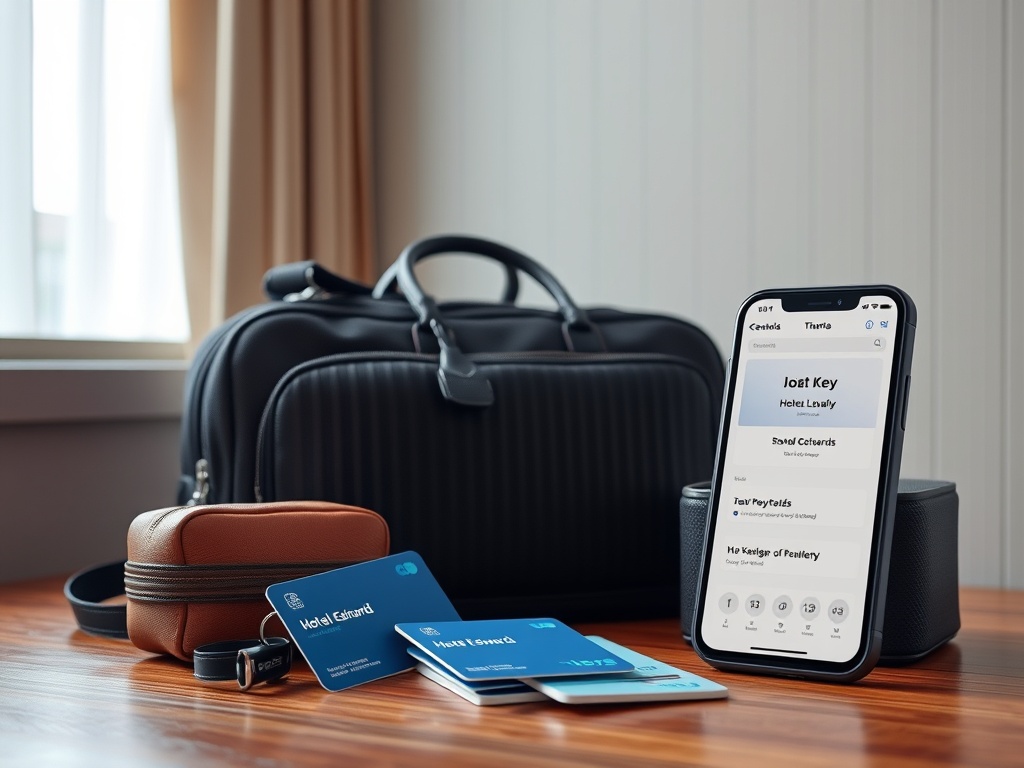
The matrix below shows how a program can vary its value proposition without creating an entirely different loyalty scheme for every member.
Loyalty Personalization by Travel Frequency
| Member pattern | Primary need | Benefit emphasis | Avoid |
|---|---|---|---|
| Very frequent | Consistency and time savings | Recognition, streamlined service, useful flexibility | Constant upselling or repetitive preference questions |
| Moderately frequent | Progress and relevance | Clear milestone benefits, targeted offers, useful upgrades | Overly complex earning rules |
| Occasional leisure/family | Attainable value | Member access, family/experience benefits, partner options | Benefits that require unrealistic stay volume |
| Dormant/lapsed | Reason to reconsider | Simple re-entry offer tied to current trip interest | Generic “we miss you” messages with no value |
Make the benefit hierarchy easy for members to understand
Personalization should not make a loyalty program feel arbitrary. Members need to understand which benefits come from published tier rules, which are targeted offers, and which are discretionary service gestures. If two guests receive different promotions, the hotel does not need to expose an algorithm, but the core program rules should still be clear enough that members can predict how status and earning work. This becomes especially important when prices, upgrades, or access differ across dates. A simple benefit hierarchy reduces the risk that personalization feels like inconsistency. It also helps frontline staff explain the program without interpreting dozens of campaign exceptions at the desk.
Use life-stage moments without turning them into permanent labels
Travel frequency can change quickly with a new job, retirement, a growing family, a move, or a temporary project. Loyalty systems should therefore allow members to move between engagement patterns without treating a past behavior as a permanent identity. A member who traveled weekly last year may travel only a few times this year but still value recognition and simple redemption. An occasional leisure member may suddenly become a frequent traveler for work. The program can watch recent behavior and current trip context while preserving the member’s core status and stated preferences. This approach also helps communication planning: a benefit reminder can be relevant to the current booking instead of being driven only by historical frequency. Personalization should make the program more adaptable to the member’s changing relationship with travel, not create a profile that becomes less accurate over time.
Measure whether benefits change behavior or only add cost
A loyalty benefit should solve a member problem, influence preference, increase engagement, or improve the economics of the relationship. Teams can compare activation, repeat booking, direct-channel use, benefit utilization, incremental spend, breakage, service contacts, and member retention by segment. A benefit that is heavily used but does not change preference may still be worthwhile if it reduces service cost or creates a clearer member promise; it simply needs to be evaluated for the right reason.
Hotels can also compare loyalty behavior with traveler-persona hotel type matching when members move between trip types. A guest who usually books city business stays may behave like a family leisure traveler during holidays. The program should recognize that travel purpose can change from trip to trip. Personalized loyalty is strongest when the hotel adapts the benefit message to the current journey while maintaining a simple, trustworthy core program.
Reward the Relationship, Not Only the Night Count
Travel frequency is a valuable loyalty signal, but it should open the conversation rather than end it. Frequent guests often value consistency and friction reduction; occasional guests need benefits they can reach; families and leisure travelers may respond to experiences and practical value; lapsed members need a relevant reason to return. A program that combines these differences with clear rules and disciplined data use can feel more personal without becoming harder to understand.