Occlusal Guards Explained: Soft, Hard, Custom, and OTC Options
An occlusal guard is a removable appliance worn over the teeth to reduce tooth wear from clenching or grinding, or to protect dental work in selected cases. The best option depends on why you need it, how strongly you clench, your bite, your comfort, and whether a dentist is monitoring the fit.
Guard choice takeaway: Do not choose a guard only by softness or price. Fit, diagnosis, durability, airway concerns, jaw symptoms, and follow-up matter just as much.
What an occlusal guard is meant to do
People often call these appliances night guards, bite guards, bruxism splints, or mouthguards. The purpose is usually protective. A guard can keep upper and lower teeth from grinding directly against each other and may reduce damage to enamel, crowns, fillings, veneers, or implant restorations.
The National Institute of Dental and Craniofacial Research describes bruxism as grinding, clenching, or gnashing that can happen awake or asleep, and says mouth guards may be used to separate the teeth and prevent damage. The Mayo Clinic also notes that splints and mouth guards may protect against wear, even though they may not stop the grinding habit itself.
That distinction matters. A guard is not a cure for stress, sleep disruption, medications, jaw joint problems, or sleep apnea. It is one tool that may protect teeth while the reason for clenching is evaluated.
The main choices patients compare
| Guard option | Where it usually fits best | Main tradeoffs to discuss |
|---|---|---|
| Soft custom guard | Mild clenching, sensitive teeth, patients who cannot tolerate rigid material | May wear faster and may feel bulky for strong grinders |
| Hard custom guard | Heavier grinding, significant wear, many restorations, need for precise bite adjustment | Takes adaptation and must be checked for fit and bite balance |
| Dual-laminate custom guard | Patients who want softer inside and more durable outside | Still needs professional fitting and monitoring |
| Over-the-counter boil-and-bite guard | Short-term trial, travel backup, temporary protection while waiting for care | Fit can be uneven, bulky, or unstable, and it may not suit complex bites |
| Stock OTC guard | Very temporary protection only | Usually least customized and may be uncomfortable or loose |
Soft guards versus hard guards
A soft guard may feel more comfortable at first because the material has give. It can be helpful for some people with mild clenching or tenderness. But soft material may not be durable enough for heavy grinders, and some patients chew on it, which can increase muscle activity or wear the appliance quickly.
A hard guard is more rigid and can be adjusted more precisely. Dentists often choose hard acrylic when tooth wear is significant or when the bite needs controlled contact points. The tradeoff is that it may feel less friendly at first. A good fit should not rock, pinch, or force the jaw into an uncomfortable position.
A dual-laminate design combines a softer inner surface with a harder outer surface. It may be used when comfort and durability both matter. The right choice is individual; a dentist looks at tooth wear, restorations, jaw movement, gum condition, and how your teeth meet.
Custom versus OTC options
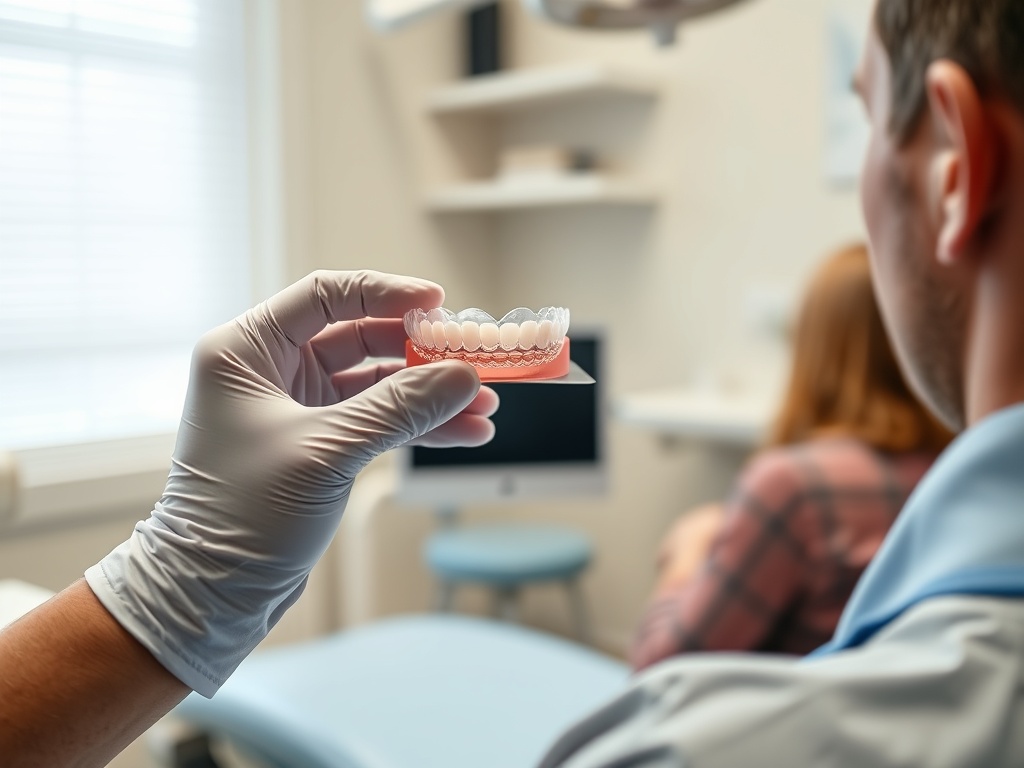
A custom guard is made from impressions or scans of your mouth. It can be trimmed and adjusted so it fits your teeth and bite more accurately. It also gives the dentist a baseline to monitor wear on the appliance and changes in symptoms.
An over-the-counter guard can be useful in limited situations, such as a short wait before an appointment or a temporary backup. But bulky or uneven fit can create new soreness, make sleep uncomfortable, or fail to protect the teeth that need it most.
A guard may also interact with other needs. Someone trying to maintain a new home-care routine after nicotine use may need a guard that is easy to clean and does not trap plaque. The guide to home care for people who vape or smoke explains why plaque control and dry mouth support matter when appliances are worn.
Planning Notes for Occlusal Guards Explained
A guard can be the wrong first move if jaw pain is actually from a joint disorder, tooth infection, sinus problem, ear problem, or sleep-related breathing disorder. It can also be the wrong solution if a tooth hurts because it is cracked or decayed. Protecting the tooth at night will not treat infection or deep decay.
Schedule a dental exam if you notice:
- Flattened, chipped, or sensitive teeth.
- Jaw soreness in the morning.
- Headaches near the temples.
- Broken fillings or crowns.
- A sleeping partner hearing grinding.
- A guard that suddenly feels tight or no longer seats fully.
Seek prompt care if pain is severe, swelling is present, a tooth is loose, or biting causes sharp pain. Those signs need diagnosis, not just an appliance.
Questions to ask before paying for a guard
- What problem is the guard intended to solve?
- Is my tooth wear from bruxism, acid erosion, bite issues, or something else?
- Should I be screened for sleep apnea or TMJ-related concerns?
- Which material do you recommend, and why?
- How will the bite be adjusted after delivery?
- How should I clean and store it?
- How often should the guard be checked for wear or changes?
- What symptoms mean I should stop wearing it and call?
For children and teens, do not assume an adult-style guard is the answer. Growth, orthodontic movement, anxiety, and procedure-related stress can change the plan. Parents preparing a child for treatment may benefit from calming strategies before a longer dental procedure before discussing appliances.
How to care for a guard
Rinse it after wearing, brush it gently with a separate soft brush, and let it dry before storing it in a ventilated case. Avoid hot water unless your dentist says the material can handle it. Heat can distort some guards. Bring it to dental visits so the team can check fit, odor, cracks, and wear patterns.
If you are pregnant, nursing, or dealing with reflux or vomiting, keep the guard especially clean and ask whether enamel protection or fluoride support should be part of the plan. The article on cleanings during pregnancy or breastfeeding covers why routine visits remain useful when oral conditions are changing.
Choosing a Guard You Will Actually Wear
The best guard is the one that fits your diagnosis, protects your teeth, and feels comfortable enough to use consistently. Start with a dental exam, ask what type of material fits your risk level, and schedule the follow-up adjustment rather than treating the guard as a one-time purchase.
Comparing Options for Occlusal Guards Explained
Use background information on Occlusal Guards Explained: Soft, Hard, Custom, and OTC Options to prepare questions, then let the examining dentist decide how it applies while comfort and function are assessed. Patient education about Occlusal Guards Explained: Soft, Hard, Custom, and OTC Options is most useful when it clarifies terminology, options, and warning signs without pretending to provide a diagnosis. For Occlusal Guards Explained: Soft, Hard, Custom, and OTC Options, prefer sources that explain benefits, limits, risks, alternatives, and situations that need professional evaluation when maintenance is discussed.